
Get Flood Damage Restoration in Chapel Hill, NC
Flood damage restoration services for property owners in Chapel Hill, NC and nearby areas address water removal, structural repairs, mold prevention, and drying of affected areas.
Flood damage restoration services are essential for property owners in Chapel Hill, NC seeking to protect their investments and maintain a safe, functional living environment. After floodwaters recede, professional restoration helps prevent further issues such as mold growth, structural deterioration, and lingering odors, ensuring the property remains safe and comfortable for residents. These services can also enhance curb appeal by addressing visible damage and restoring the property's appearance, which is especially important for homeowners looking to preserve or improve their home's value.
Choosing expert flood damage restoration offers numerous benefits, including increased durability of building materials and reduced ongoing maintenance needs. Properly restored properties are better equipped to withstand future weather events, and the process often results in improved safety and usability of affected spaces. By addressing damage promptly and thoroughly, property owners can enjoy peace of mind knowing their homes are resilient, attractive, and ready to serve their needs for years to come.
- Basement Flooding - homeowners in Chapel Hill, NC may need flood damage restoration after basement inundation due to heavy storms.
- Roof Leaks - properties experiencing roof breaches during severe weather may require water extraction and structural drying services.
- Storm Surges - coastal areas near Durham, NC might seek flood restoration following storm surges that cause water intrusion.
- Pipe Bursts - residential and commercial buildings in Raleigh, NC can need flood cleanup services after plumbing failures.
- Flash Floods - communities affected by sudden heavy rainfall may require immediate flood damage mitigation from local restoration specialists.
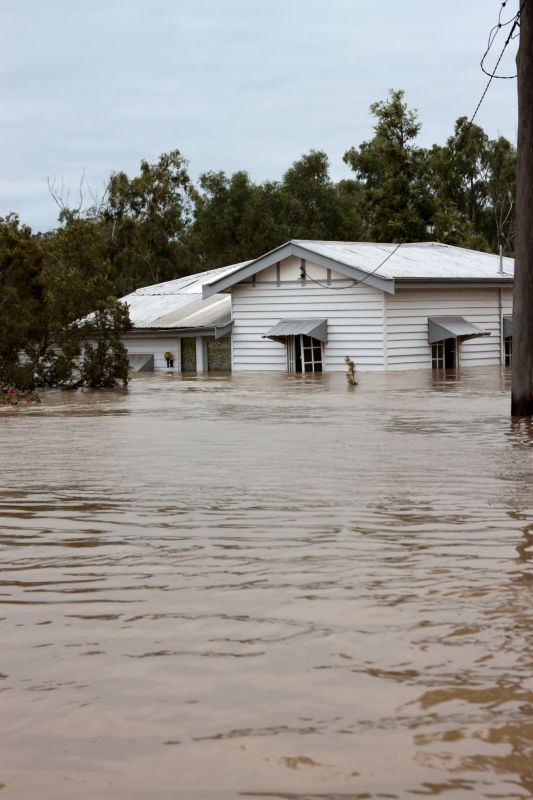
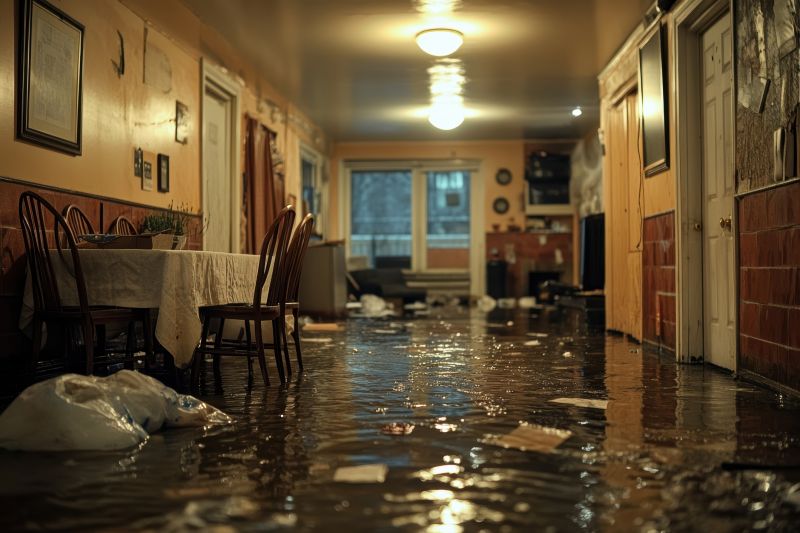
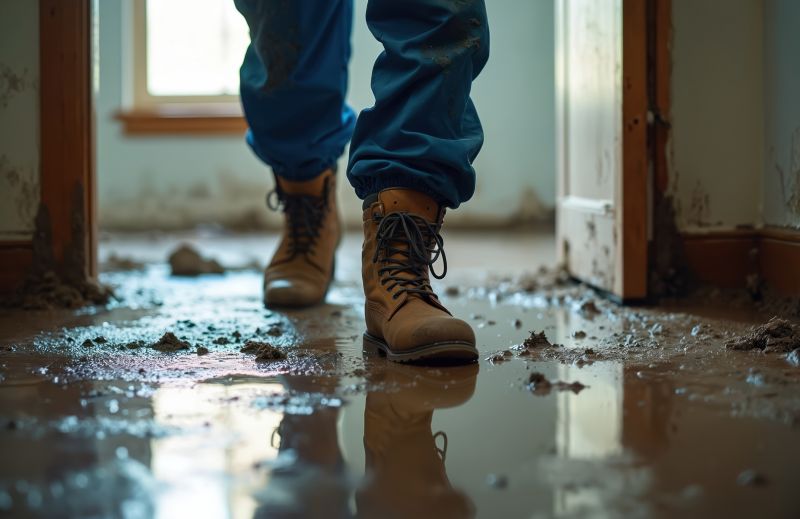
Flood damage restoration services involve the process of repairing and restoring properties affected by water intrusion caused by flooding. These services typically include water extraction, removal of standing water, drying and dehumidification, cleaning and sanitizing affected areas, and repairing structural damage. The goal is to mitigate the extent of damage, prevent mold growth, and restore the property to its pre-flood condition. Professionals in this field utilize specialized equipment to ensure thorough drying and cleanup, helping property owners recover from water-related disasters efficiently.
Flood damage can lead to a variety of problems if not addressed promptly. Water intrusion can weaken building materials, cause structural issues, and promote mold and bacterial growth, which can pose health risks. Additionally, lingering moisture can damage personal belongings, furniture, and flooring, leading to increased repair costs. Restoring a flood-affected property involves not only removing the water but also addressing hidden damage and ensuring the space is thoroughly dried and sanitized to prevent future issues.
This type of restoration service is commonly used in residential homes, especially in areas prone to heavy rainfall or flooding. Commercial properties, such as offices, retail stores, and warehouses, also frequently require flood damage restoration after water intrusion. Additionally, properties located in floodplains or near bodies of water are more likely to seek these services due to the higher risk of flooding events. The goal is to minimize disruption and restore the property quickly to reduce long-term damage and expenses.
Professionals offering flood damage restoration services are equipped to handle a range of water-related emergencies, from minor leaks to major flooding incidents. They assess the extent of water intrusion, develop a tailored plan for drying and cleanup, and work to restore the property efficiently. Property owners seeking these services can contact local providers to address flood-related issues, ensuring that their homes or businesses are properly restored and protected against future water damage.
The overview below groups typical Flood Damage Restoration projects into broad ranges so you can see how smaller, mid-sized, and larger jobs often compare in Chapel Hill, NC.
In many markets, a large share of routine jobs stays in the lower and middle ranges, while only a smaller percentage of projects moves into the highest bands when the work is more complex or site conditions are harder than average.
Initial Damage Assessment - The cost for evaluating flood damage typically ranges from $200 to $600, depending on the extent of the assessment and property size. This fee covers inspecting affected areas and identifying necessary repairs.
Water Extraction and Drying - Expect costs between $1,000 and $3,500 for professional water removal and drying services. Larger properties or severe flooding may increase expenses beyond this range.
Mold Remediation - Mold removal costs can vary from $500 to $6,000, influenced by mold severity and affected areas. More extensive mold growth requires additional treatments, raising the overall cost.
Structural Repairs - Restoring damaged structures generally falls within $2,000 to $15,000, depending on the scope of repair work needed for flooring, walls, and foundations. Larger or more complex repairs tend to be at the higher end of this range.
Actual totals will depend on details like access to the work area, the scope of the project, and the materials selected, so use these as general starting points rather than exact figures.
Basement Flood Restoration - Local service providers assist with removing floodwaters and restoring basement structures affected by water damage.
Residential Flood Damage Repair - Contractors offer solutions for restoring homes impacted by flooding, including drying, cleaning, and structural repairs.
Commercial Flood Damage Services - Commercial property specialists help businesses recover from flood events, focusing on property cleanup and damage mitigation.
Water Extraction and Drying - Service providers utilize specialized equipment to efficiently remove water and dry affected areas to prevent mold growth.
Structural Restoration after Flooding - Local pros repair and reinforce building frameworks compromised by floodwaters to ensure safety and stability.
Mold Remediation Post-Flood - Experts address mold growth resulting from flood damage to promote a healthy indoor environment.
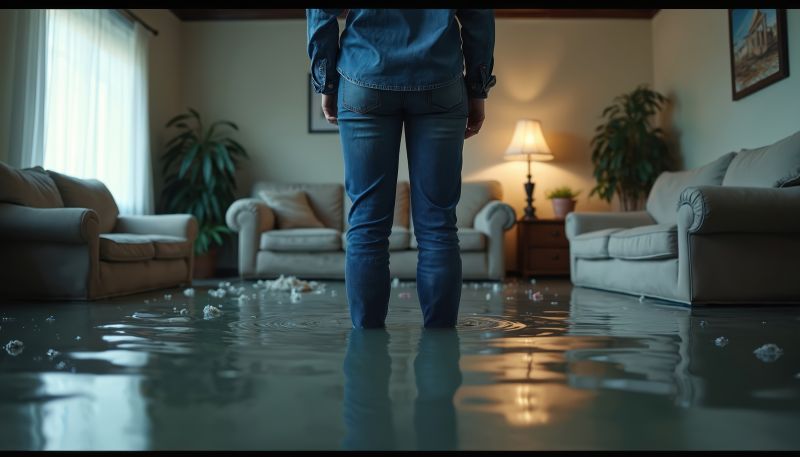
When evaluating flood damage restoration service providers, it is important to consider their experience in handling water-related incidents. Homeowners should seek out local contractors who have a proven track record of managing flood restoration projects similar in scope and complexity to their situation. Reputable providers often have established references from previous clients or industry sources, which can offer insight into their reliability and quality of work. Gathering this information helps ensure that the chosen professional has the necessary background to address the specific challenges posed by flood damage effectively.
Clear and written expectations are a vital part of selecting a flood damage restoration contractor. Homeowners should look for providers who offer detailed descriptions of their scope of work, the processes involved, and the anticipated outcomes. Transparent communication about what services are included and any potential limitations helps set realistic expectations and reduces misunderstandings. It is advisable to discuss these details upfront to confirm that the contractor’s approach aligns with the homeowner’s needs and concerns.
Effective communication is essential when working with local flood restoration professionals. Homeowners should prioritize providers who are responsive and willing to answer questions thoroughly, providing updates throughout the project. Reputable service providers often establish open lines of communication to ensure clients are informed and comfortable with the progress. Since the information below introduces local options rather than performing the work directly, it is recommended to contact multiple contractors to assess their responsiveness and professionalism before making a decision.
Property owners in Chapel Hill, NC use Flood Damage Restoration services for practical projects around their homes and businesses. The sections below highlight everyday jobs and straightforward project options.
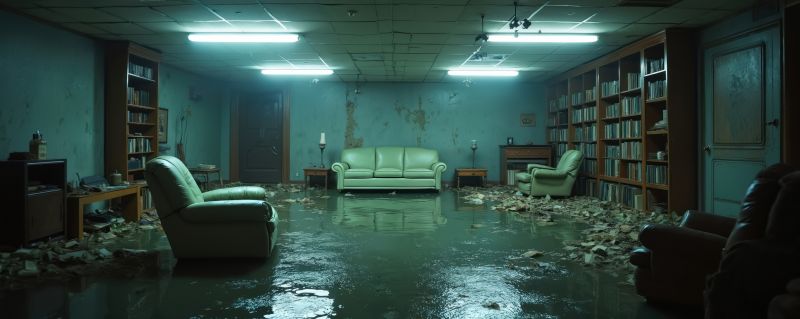
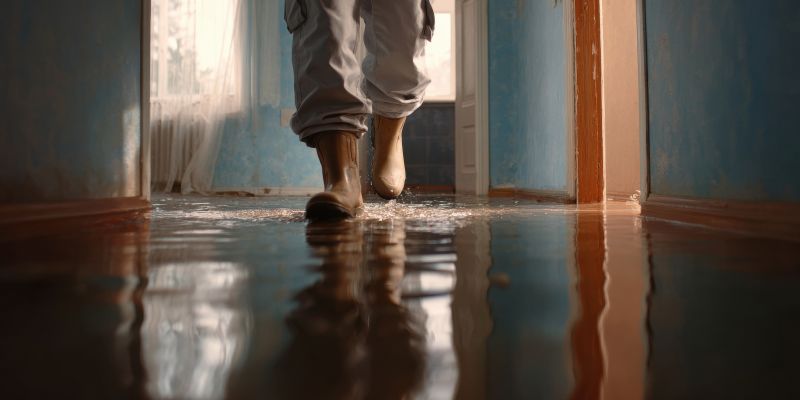
Flood damage restoration services are often needed after heavy rains or severe storms that lead to water intrusion in properties around Chapel Hill, NC. Property owners may seek professional help to address issues such as flooded basements, soggy carpets, or water-logged walls, which can cause further structural damage if not handled promptly. Local service providers can assist with removing standing water, drying affected areas, and preventing mold growth to help restore the safety and usability of a home or business.
In addition to storm-related flooding, some property owners might face water damage from burst pipes, leaking appliances, or roof leaks that allow water to seep into interior spaces. These situations can disrupt daily life and compromise the integrity of a property. Local specialists can evaluate the extent of water intrusion, perform necessary cleanup, and implement drying and dehumidification measures to help return the property to its pre-damage condition.
How long does flood damage restoration typically take? The duration of flood damage restoration varies depending on the extent of the damage and the affected areas. Contact local service providers to get an assessment tailored to specific situations.
What are the first steps after experiencing flood damage? It is important to contact professional restoration services promptly to evaluate the damage and begin the cleanup and drying process. Avoid attempting to handle extensive water removal alone.
Can flood damage lead to mold growth? Yes, standing water and moisture from flooding can promote mold growth if not addressed quickly. Local restoration experts can help with mold prevention and removal.
Is it safe to remain in a property after flooding? Safety depends on the severity of the flooding and the presence of hazards such as contaminated water or structural damage. Consult with local professionals for guidance.
What services do flood damage restoration providers offer? They typically offer water extraction, drying, cleaning, mold remediation, and structural drying to restore properties affected by flooding. Contact local specialists for assistance.
Water Extraction Services - Professionals utilize specialized equipment to remove standing water quickly and effectively, minimizing further damage.
Structural Drying - Local service providers focus on thoroughly drying affected structures to prevent mold growth and structural issues.
Mold Prevention & Remediation - Experts assess flood-damaged areas to identify mold risks and provide appropriate removal and prevention solutions.
Content Restoration - Restoration specialists help recover and restore personal belongings and valuables impacted by floodwaters.
Considering Flood Damage Restoration for a property in Chapel Hill, NC? The sections above highlight common project types, practical options, and details that often shape the scope of work.
When you are ready, use the quote form to share a few details about your project. Local pros can review the basics and respond with options that match what you have in mind.